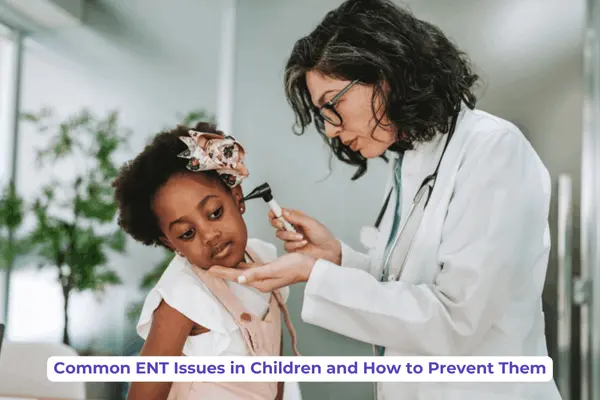
Due to their developing immune systems, smaller airways, and regular exposure to germs, children are more susceptible to ear, nose, and throat (ENT) conditions than adults. Issues such as ear infections and enlarged adenoids can impact sleep, learning, appetite and overall health. Learning about the most common ENT illnesses and ways to prevent them will help parents take proactive measures to keep their little ones healthy.
Ear infections (otitis media) are among the most common illnesses in children. They occur most often as a result of a cold or allergy flare-up when the fluid builds up behind the eardrum, creating a favourable environment for bacteria or viruses to thrive.
The tonsils and adenoids play a role in fighting infections, but they can easily enlarge or become infected in children. Tonsillitis causes throat pain and difficulty swallowing, while enlarged adenoids can lead to snoring, breathing difficulties, or recurrent ear problems.
Children can also develop sinus infections, often following a cold or with allergies. They have smaller sinus passages than adults, so blockages occur more easily.
Environmental allergies including dust allergies, pollen, pet dander, or mold, are common causes of ENT issues in children. If left untreated, these allergies can lead to chronic sinus issues, nasal congestion, or ear infections.
Children often experience nosebleeds due to dry air, nose-picking, or nasal irritation. Nosebleeds are usually harmless, but frequent nosebleeds can indicate underlying dryness or a possible allergic cause.
If a child experiences symptoms that do not improve, has recurring infections, snores loudly, or has trouble hearing, you may want to consider referring them to an ENT. Early diagnosis can lead to early intervention, which can help reduce complications in the long run.
Common in children, ENT issues are mostly manageable with proper prevention and care for the child at the right time. Working towards a clean, healthy environment and encouraging good hygiene regularly would significantly reduce the frequency and risk of ENT issues.